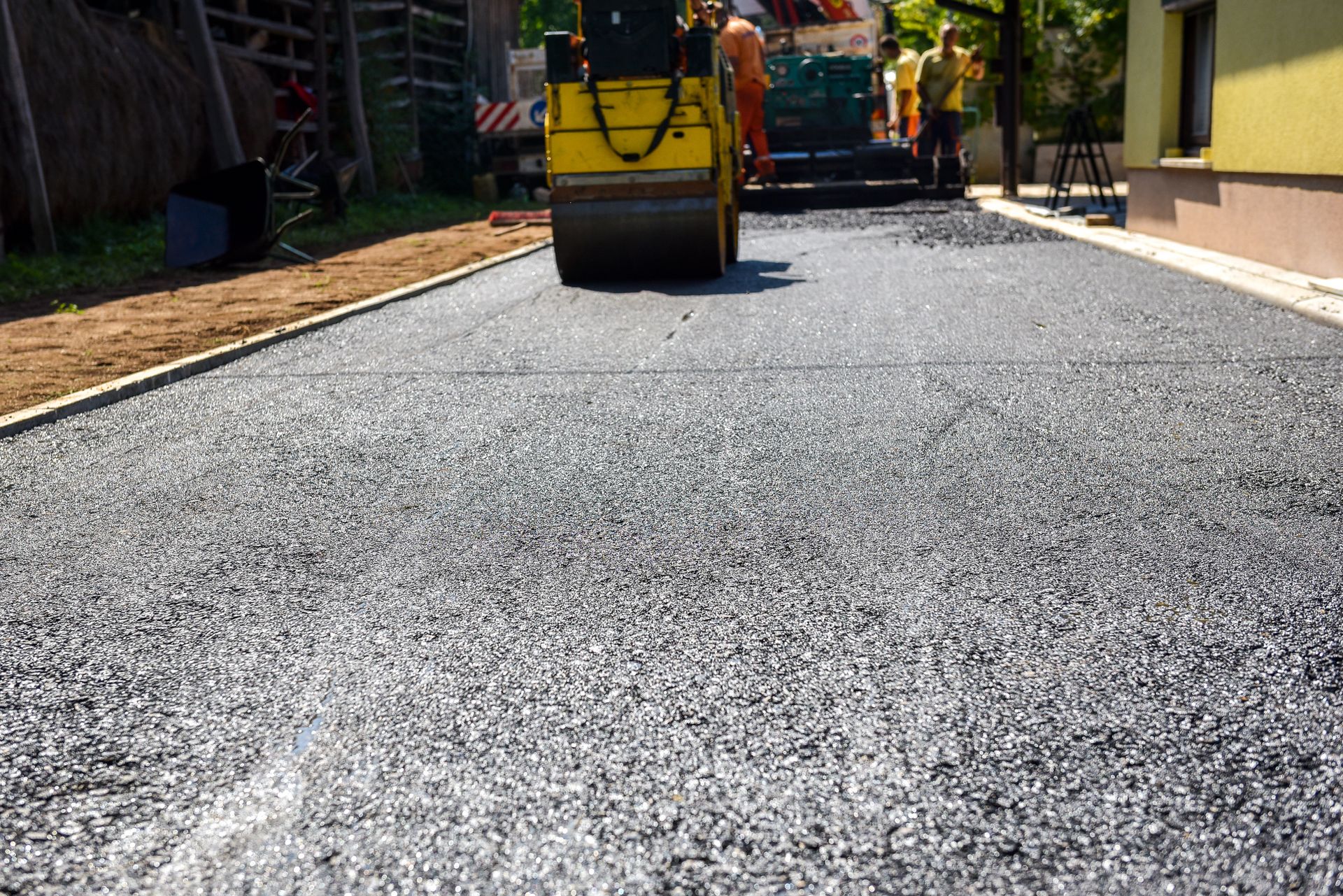
If you’re searching for reliable, high-quality Asphalt Paving in Waterloo, IA, you’re in the right place . As a locally focused business, we understand the unique needs of homeowners and businesses throughout the Cedar Valley. Whether you’re looking for fast service, dependable results, or affordable pricing, our team is proud to serve the Waterloo community with professionalism and care. When we speak with our local customers – they choose asphalt for a variety of reasons! #1 Enhances their property! Who doesn’t love a new black asphalt driveways next to green grass!?! It just pops! #2 Salt Resistant. Yes, throw that salt on your asphalt parking lot or asphalt driveway to keep your customers, friends, and family members safe! #3 You can drive on your newly paved blacktop much sooner than concrete. Don’t let a new driveway slow you down! #4 How about snow melting fast ? Yes, the combination of the sun, the heat, the blacktop makes the snow melt fast! We all know that living in Iowa snow and drifting snow can be an all winter-long experience. Yes, these are a few of the top reason why our local area chooses Asphalt Paving to be their #1 choice for driveways, private roads, and parking lots.
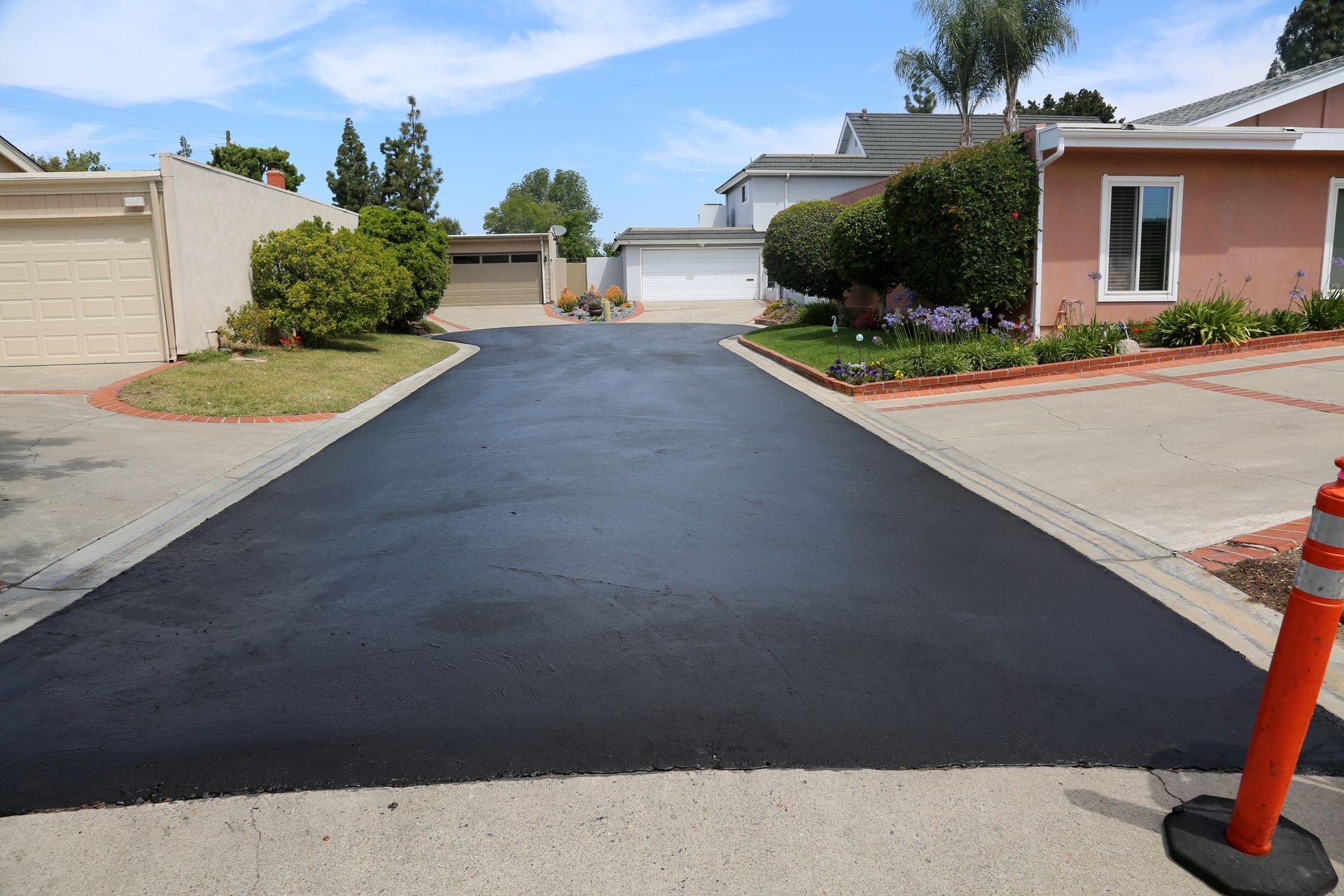
Compare asphalt and concrete driveways to find the best option for your home. Learn about cost, lifespan, maintenance, durability, and design options for residential driveways.
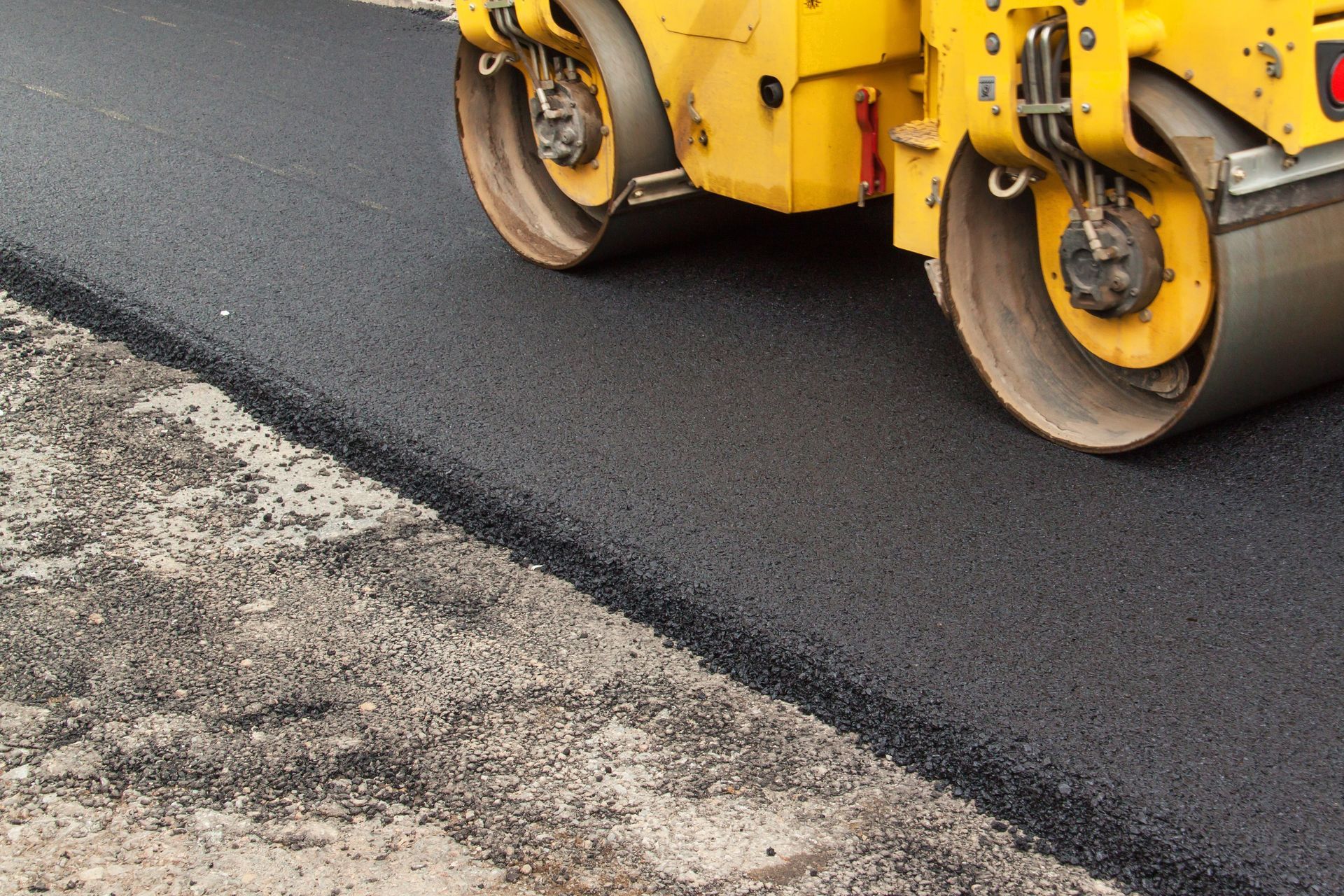
Discover the average lifespan of asphalt driveways in Iowa and how proper maintenance, sealcoating, and weather protection can extend durability for years to come.
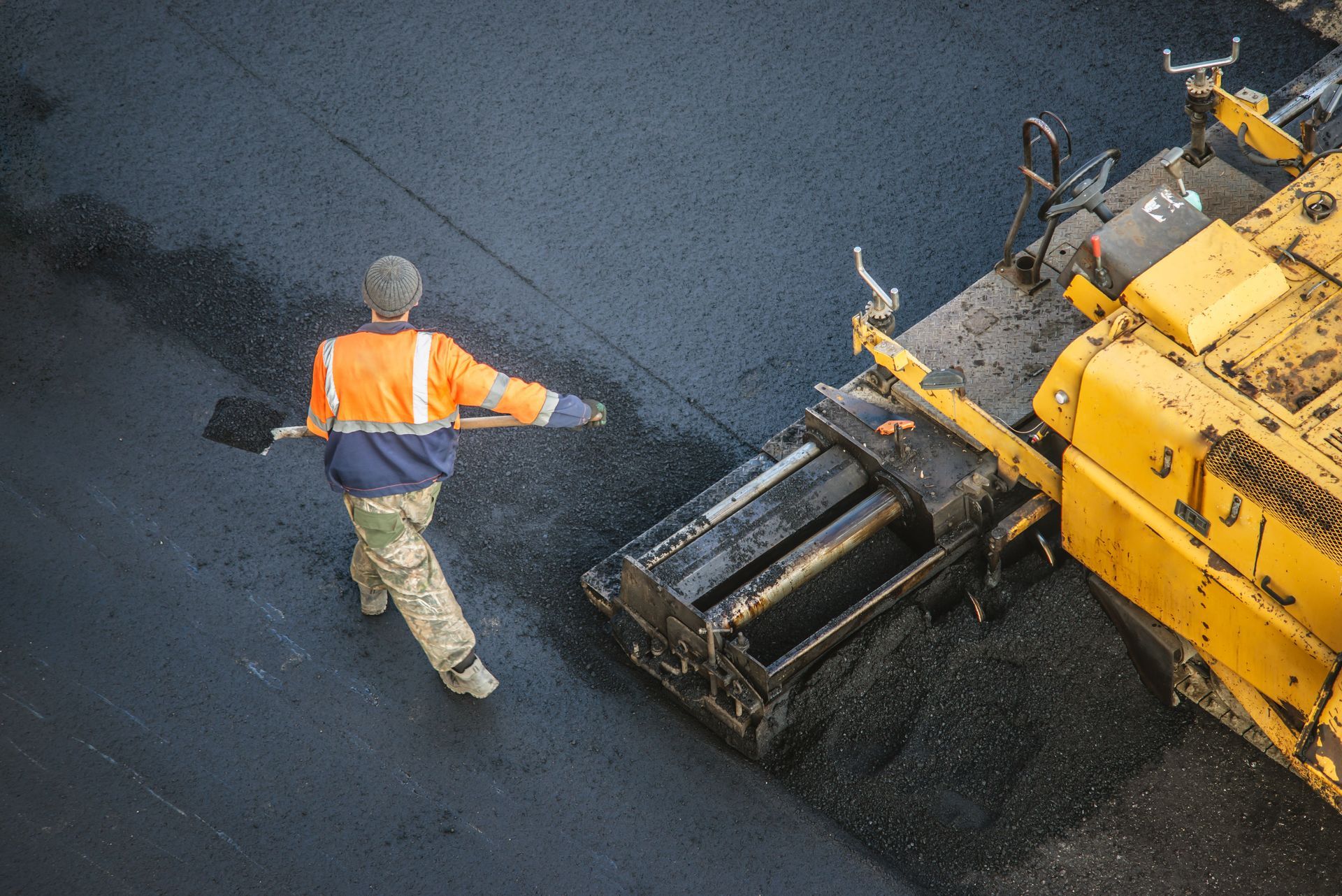
Need an asphalt resurfacing contractor in Waterloo, IA? D & M Asphalt Services, Inc. can help. Contact us today at (563) 379-1212
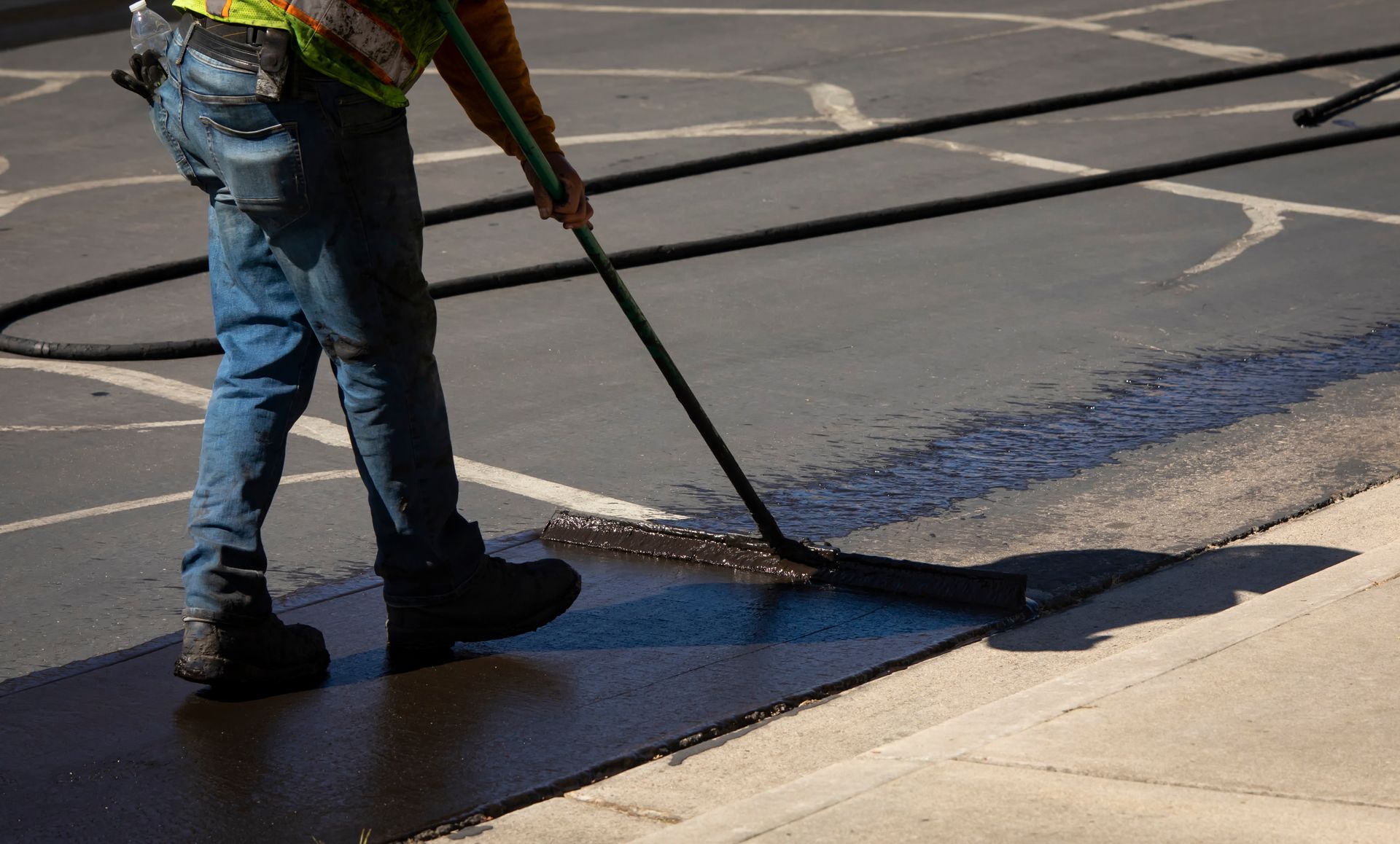
How exciting! A newly paved asphalt driveway is a big upgrade for your home —and with the right care, it can last 20–30 years in the Waterloo area. At D & M Asphalt Paving , we want homeowners to get the most life and value out of their investment. Iowa’s changing seasons, freeze-thaw cycles, and daily traffic all play a role in how your driveway ages. With years of experience paving blacktop driveways in Iowa, Dave has some helpful tips for you when caring for your new driveway. We want nothing but the BEST for your new driveway!
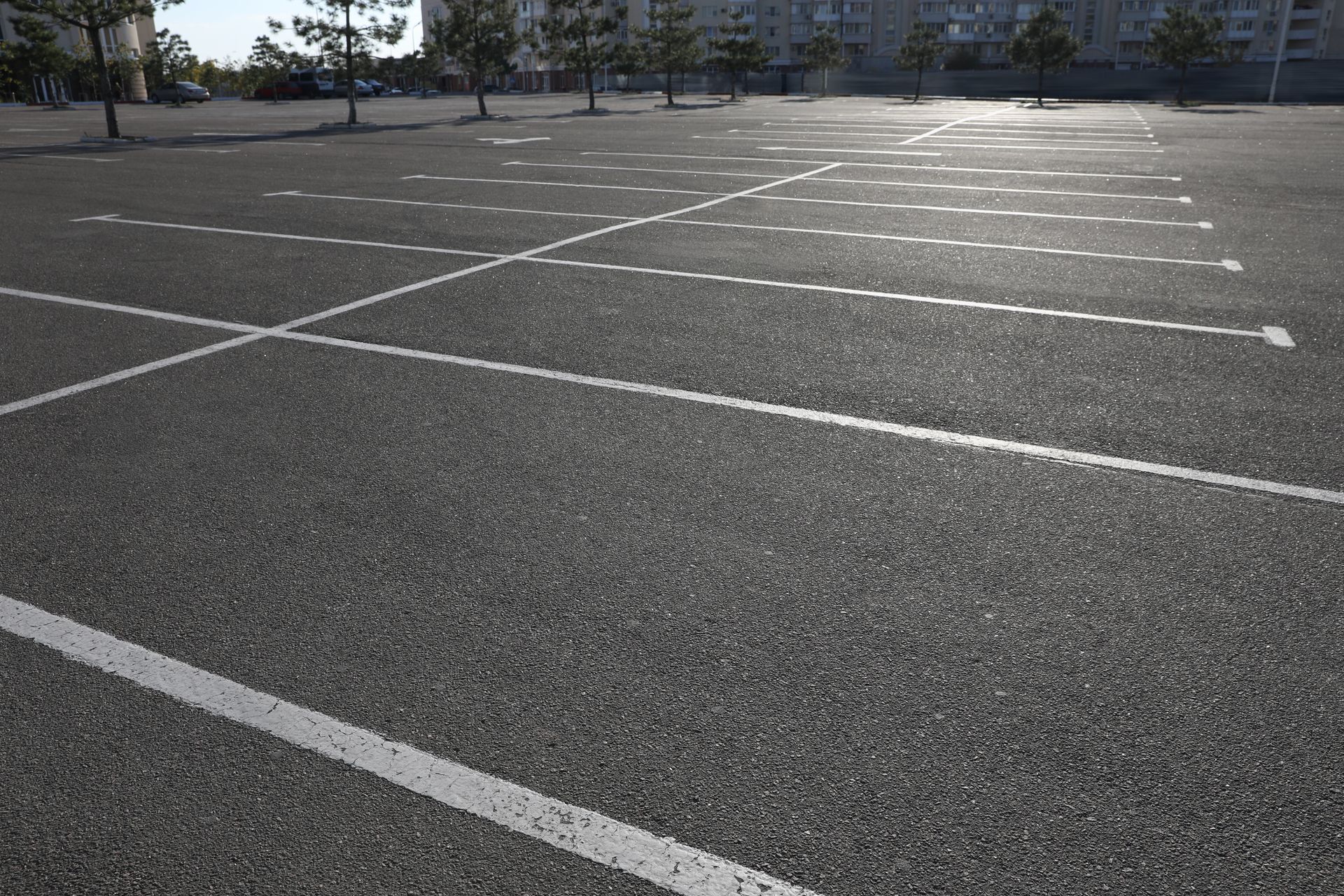
D & M Asphalt Services is proud to announce the completion of a brand-new parking lot for Accura Healthcare in New Hampton, Iowa . We greatly appreciate their business and the opportunity to help improve the safety, accessibility, and appearance of their facility.